
.avif)
.avif)


Polki vs Kundan vs Jadau: The Real Difference (A Jaipur Jeweller's Guide)
Walk into any showroom asking for "polki," and you will hear three words used almost interchangeably — polki, kundan, jadau. Most brides leave more confused than when they arrived, and a few leave having paid diamond prices for glass.
The confusion is understandable, because the three words don't describe the same kind of thing. Here is the distinction we explain to every family who visits our atelier in Jaipur, where these crafts have been practised for over a century.
Polki vs Kundan vs Jadau — in short
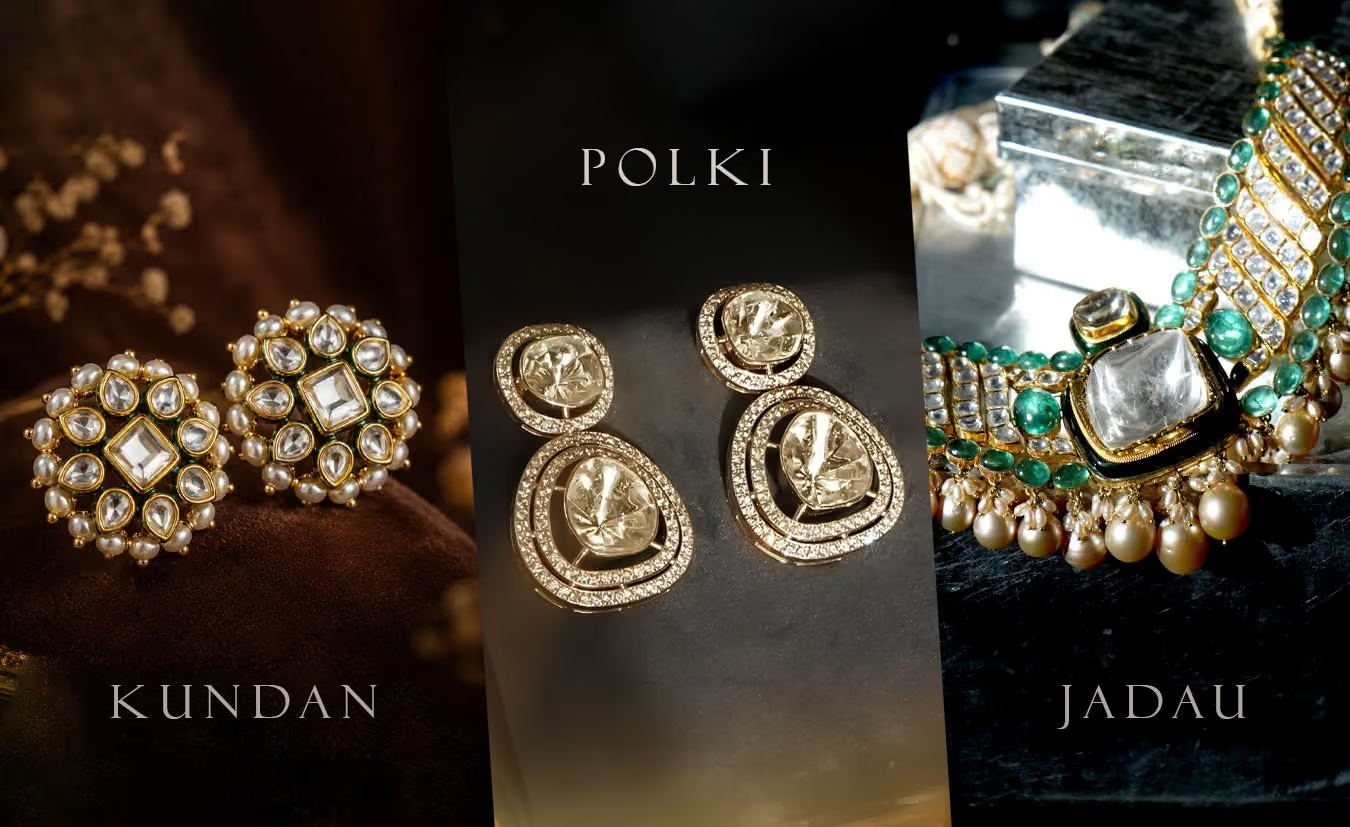
Polki is a stone — an uncut, natural diamond. Kundan is a setting — the refined gold used to hold stones, and, in cheaper pieces, a name for glass used in place of diamond. Jadau is the craft — the centuries-old technique of embedding stones into gold by hand. They are not three rivals. They are a stone, a material, and the method that unites them.
PolkiKundanJadauWhat it isA stoneA setting material / techniqueA craft techniqueMade ofUncut natural diamond24k refined gold foil — often holding glassGold, lac, and stones (polki, emeralds, pearls)SparkleSoft, raw, old-world glowBright, glassy, uniformDepends on the stones setValueHigh — it is real diamondLower when glass is usedVaries with the stonesBest forHeirloom bridal jewelleryFashion and lighter budgetsThe method behind fine polki itself
What is polki jewellery?
Polki is an uncut, unpolished natural diamond, set exactly as it is drawn from the earth. One face is flat, the other gently domed, and because the stone is never faceted, it does not throw the sharp fire of a modern brilliant. Instead it holds a soft, candle-lit glow — the reason polki looks so at home against silk, zardozi and skin.
Because polki is genuine diamond, it carries real, enduring value. A polki set is not costume jewellery that dates; it is an heirloom that holds worth across generations. Our longer explainer, What is Polki Jewellery? A Complete Guide, covers how each stone is cleaned and matched by hand.
What is kundan jewellery?
Kundan means two things, and the difference matters for your budget. First, "kundan" is the highly refined 24-karat gold used as a fine foil to hold stones in place — one of the oldest setting methods in India. Second, and more commonly today, "kundan jewellery" refers to pieces where glass is set in that gold in place of uncut diamond, to bring the price down.
This is the single most important thing a buyer should understand: a piece sold simply as "kundan" is very often glass in a gold-toned setting, not diamond. That is not a flaw — kundan has its own bright, uniform beauty and a proud history — but it should never be confused with, or priced like, polki.
What is jadau jewellery?
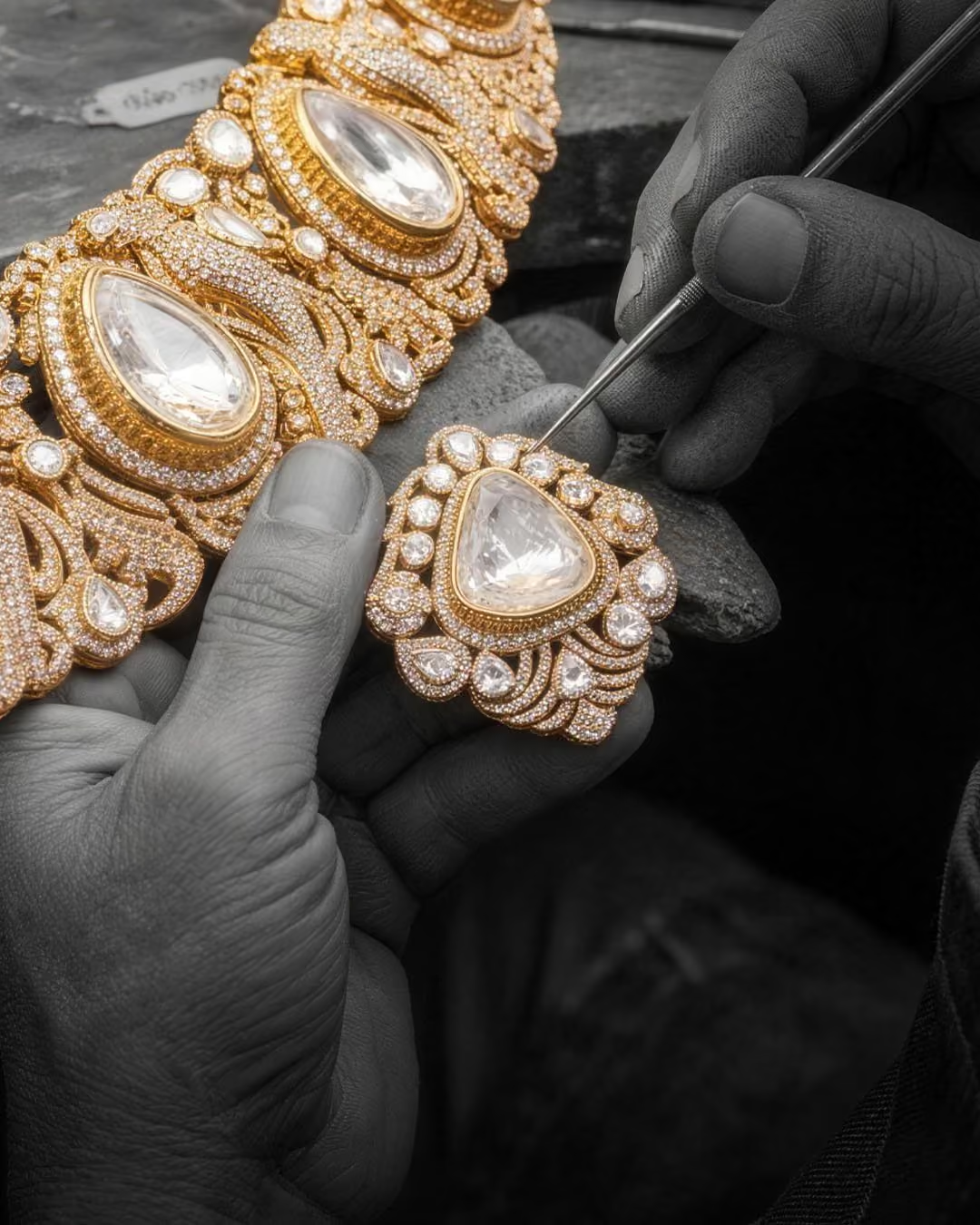
Jadau is not a stone at all — it is the craft. The word comes from jad, meaning "embedded." In jadau, artisans heat gold until it is soft, then press each stone — polki, kundan, emeralds, pearls — into the metal using lac (a natural resin), with no solder and no glue. The gold itself is worked to grip the stone.
Turn a true jadau piece over and you will often find meenakari — hand-painted enamel on the reverse, so the jewellery is finished on the side no one sees. This is why jadau is measured in weeks of work, not hours, and why it sits at the heart of genuine bridal polki.
So why are polki, kundan and jadau always confused?
Because they usually appear together in a single piece. A classic bridal necklace is polki (the stone), held in kundan (the refined gold setting), assembled through jadau (the craft), and finished with meenakari on the back. One object, three traditions. The words only become misleading when a seller uses "kundan" to imply the value of "polki" — which is where an informed bride protects herself.
Polki vs kundan: which should you choose?
Choose polki when the piece is meant to last — a bridal set, a family heirloom, jewellery you expect to pass on. You are buying real diamond and real gold, and the value stays with you. Choose kundan when you want the look for a specific occasion, a lighter budget, or pieces you will wear more casually. Neither is "better"; they answer different questions. The mistake is paying polki prices for kundan glass.
How to tell real polki from kundan glass
Real polki is never perfectly uniform. Because each stone is a natural diamond, no two are identical — the surfaces are slightly irregular, the glow is soft rather than glassy, and the piece is finished with meenakari and hallmarked gold behind it. Glass "kundan," by contrast, looks flawless and repetitive, and reflects with a bright, mirror-like flatness.
Ask three questions before you buy: Is the stone natural uncut diamond or glass? Is the gold hallmarked, and is there certification? Is there meenakari on the reverse? A house confident in its craft will answer all three without hesitation. Our full walkthrough — The Truth About Polki: Recognising What Is Real — shows exactly what to look for.
A note from our Jaipur atelier
These crafts travelled from the Mughal courts into the royal workshops of Rajasthan, and Jaipur became one of their great homes. Raniwala 1881 has worked in this tradition since 1881 — six generations of setting uncut diamonds by hand, the same jadau method, refined but never rushed. It is the reason our polki has been chosen for some of India's most photographed brides.
When you understand the difference between polki, kundan and jadau, you stop buying a word and start buying the work. That is the only way to buy jewellery meant to outlive you.

See the craft in person
The difference between polki and glass is easiest to see with the piece in your hands. Book a private appointment at our Jaipur flagship, or see our jadau polki worn by real Raniwala brides.
Frequently asked questions
Is polki real diamond?
Yes. Polki is a genuine, natural diamond — simply uncut and unpolished rather than faceted. It retains real intrinsic value, which is why polki is used for heirloom bridal jewellery rather than costume pieces.
Is kundan real diamond or glass?
Kundan often uses glass in place of uncut diamond to lower the cost, set in refined 24-karat gold. "Kundan" can also mean the gold setting technique itself. Always confirm whether a "kundan" piece contains diamond or glass before you buy.
What is the difference between polki and jadau?
Polki is the stone — an uncut diamond. Jadau is the technique of embedding that stone into gold by hand using lac, without solder. Most fine polki jewellery is made using the jadau method, but the two words describe different things.
Which is more expensive, polki or kundan?
Polki is more expensive because it is real uncut diamond. Kundan is generally more affordable, especially when glass is used instead of diamond. The gold and craftsmanship also affect the final price.
Is polki a good investment?
Polki holds value well because it is real diamond set in hallmarked gold, and quality pieces are passed down through generations. Buy certified polki from a trusted house to protect that value.